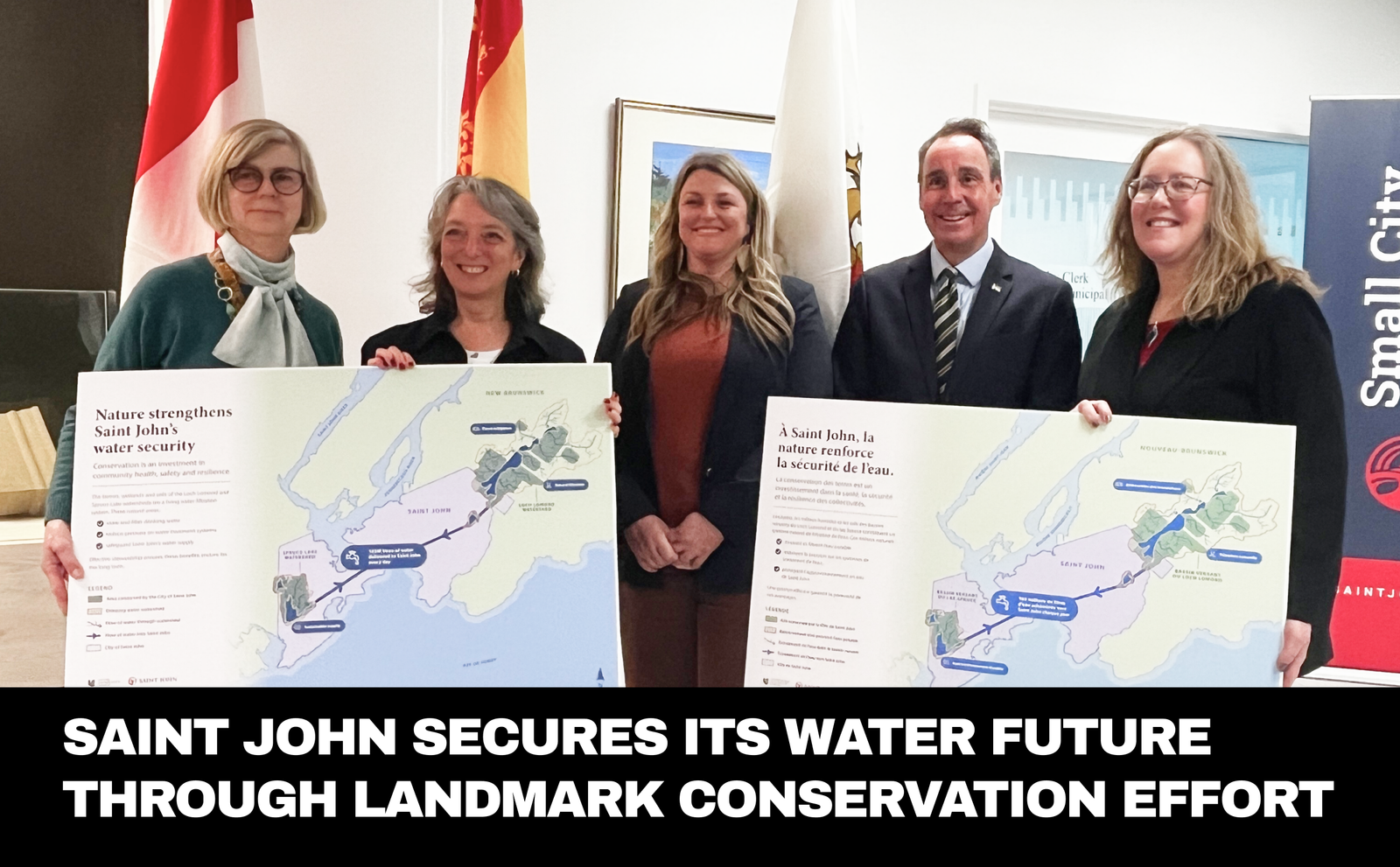
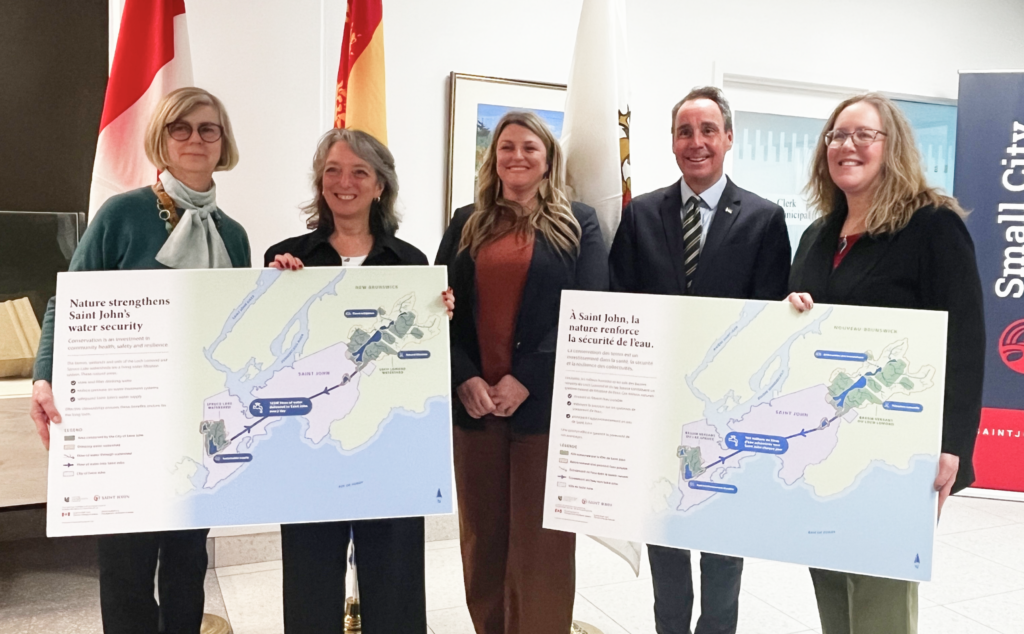
In a landmark announcement on Monday, March 16, 2026, more than 4,800 hectares of land within the Loch Lomond and Spruce Lake watersheds have been formally recognized for conservation. This includes forests, wetlands, and shorelines that play a critical role in naturally filtering and storing the water that supplies homes across the city.
But beyond the numbers, this development represents something deeper: a long-term investment in the health, resilience, and sustainability of the Saint John community.
Nature as Essential Infrastructure
Speakers at the media briefing emphasized a powerful idea—nature is infrastructure.
These watershed lands work every day to:
- Filter and clean water before it reaches treatment facilities
- Reduce flooding and erosion during heavy rainfall
- Support biodiversity and wildlife habitats
- Strengthen the city’s resilience to climate change
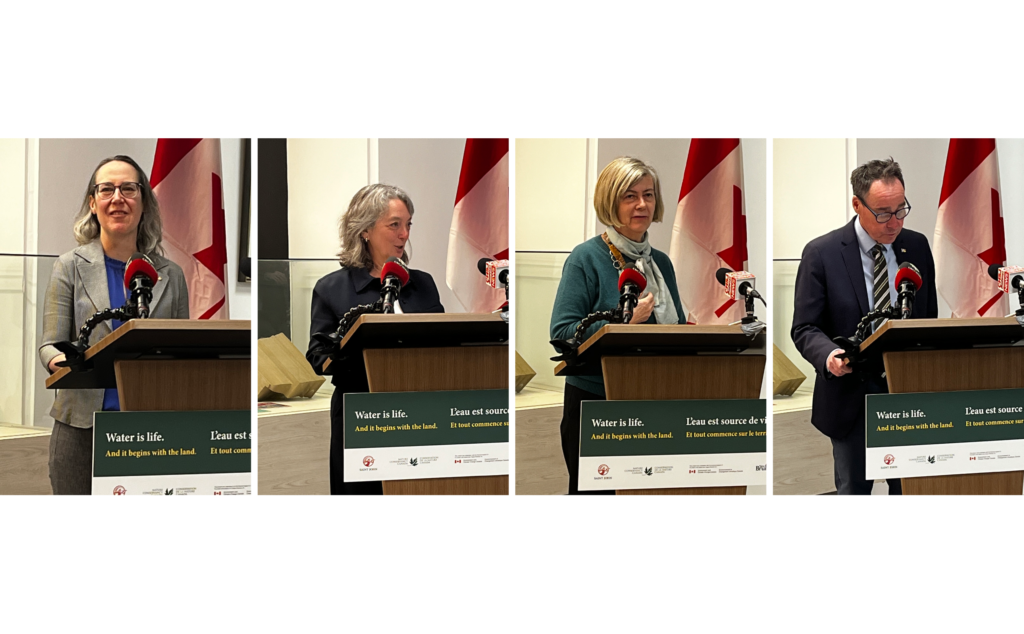
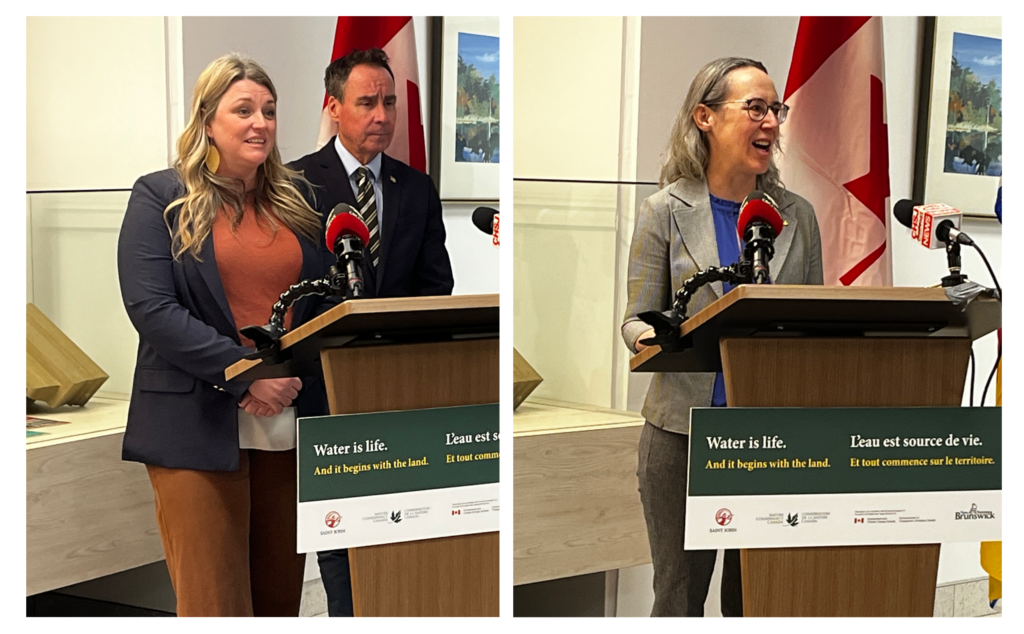
As Emilie Day of the Nature Conservancy of Canada noted, when residents turn on their taps, they rely not just on pipes and treatment systems—but on entire ecosystems working behind the scenes.
Mayor Donna Reardon delivered keynote remarks, underscoring the importance of this responsibility, noting that protecting drinking water is one of the city’s most critical roles. With increasing environmental pressures and climate-related challenges, safeguarding these natural systems has never been more urgent.
A Model of Collaboration
This achievement is the result of two years of collaboration between the City of Saint John, the Nature Conservancy of Canada, and both federal and provincial governments.
It also reflects a growing recognition that local action contributes to global impact. The conserved lands will help New Brunswick move toward its target of protecting 15% of land by 2027, while contributing to Canada’s broader environmental commitments.
More importantly, it sets a precedent: municipal leadership can drive meaningful environmental change.
Why This Matters for the Community
For residents, the benefits are both immediate and long-term:
- Cleaner, safer drinking water
- Lower water treatment costs over time
- Better protection against flooding and climate risks
- Preservation of natural spaces for future generations
In a time when water security is becoming a global concern, Saint John is taking proactive steps to protect one of its most vital resources.
Key Takeaways for the Grassroots
While this initiative is driven by government and conservation partners, its success—and future—relies on community awareness and action.
Here’s what it means at the grassroots level:
- 💧 Water starts with nature: Protecting forests and wetlands protects your water
- 🌱 Local action matters: Conservation begins in your own community
- 🤝 Partnerships are powerful: Real change happens when communities, governments, and organizations work together
- 🌍 Sustainability is shared responsibility: Everyone has a role in protecting natural resources
A Future Worth Protecting
This conservation milestone is more than an environmental achievement—it is a commitment to future generations.
As climate challenges grow and natural resources become increasingly strained, Saint John’s approach offers a clear message: protecting nature is not optional—it is essential.
Because when nature thrives, communities do too.