
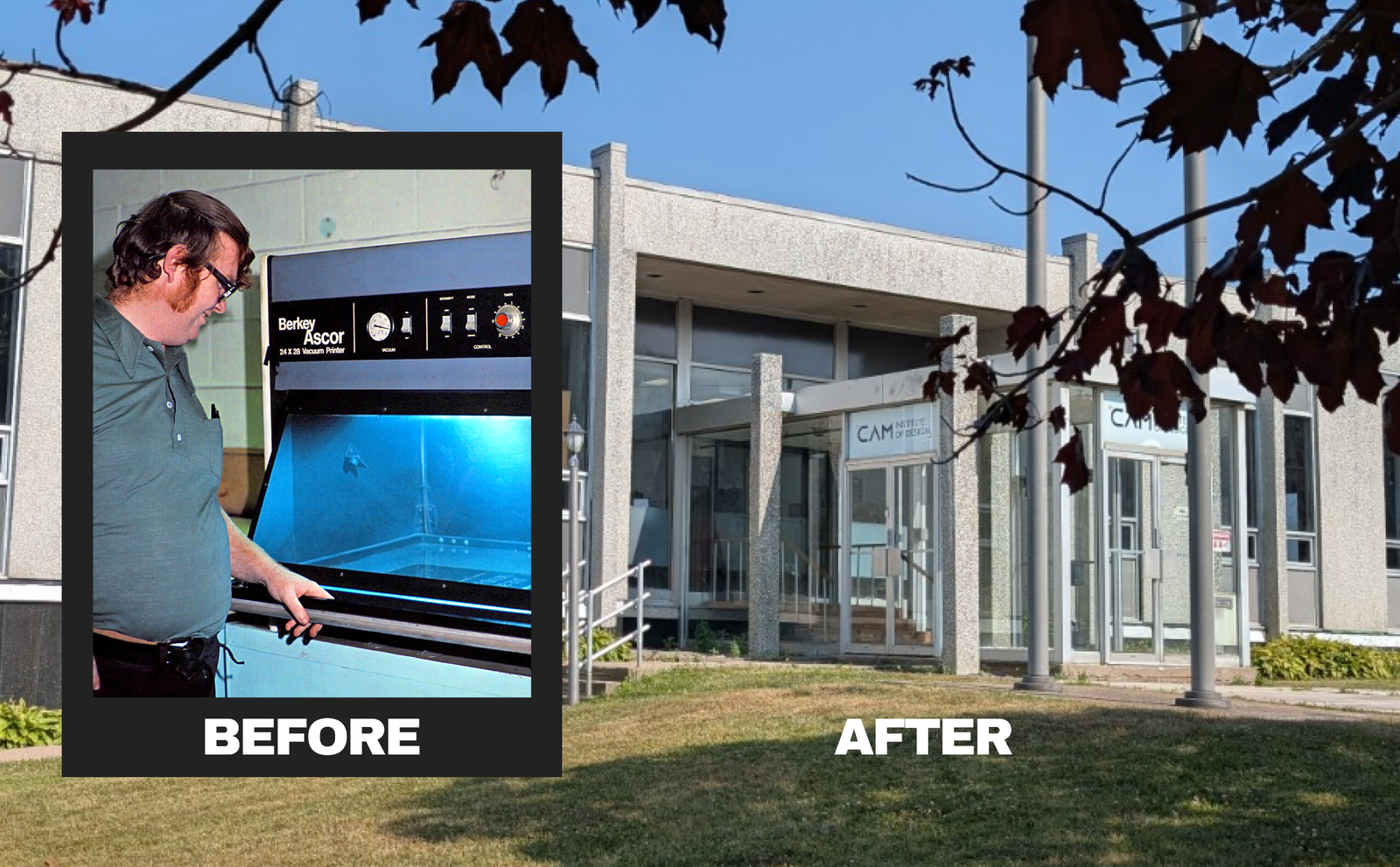
One cool August afternoon in the summer of 1963, a young Boy Scout of ten years stood with his friends, craning his neck toward a building that smelled faintly of wet cement and ink -watching as the Telegraph Journal building was born. Around him, adults spoke in low, anticipatory voices. Though the presses inside had not yet begun to thunder, the building carried the promise of creativity – of headlines, of deadlines, of a city learning about itself in ink.
The boy’s name was Bob Metz. Unknown to him, he would grow up to work in this same building for thirty years of his life. Bob Metz was a curious and energetic young boy who would later become an integral member of the team of publishers at Telegraph Journal- watching as editions of the Telegraph Journal rolled out before dawn and feeling the quiet authority of mind influencing communication.
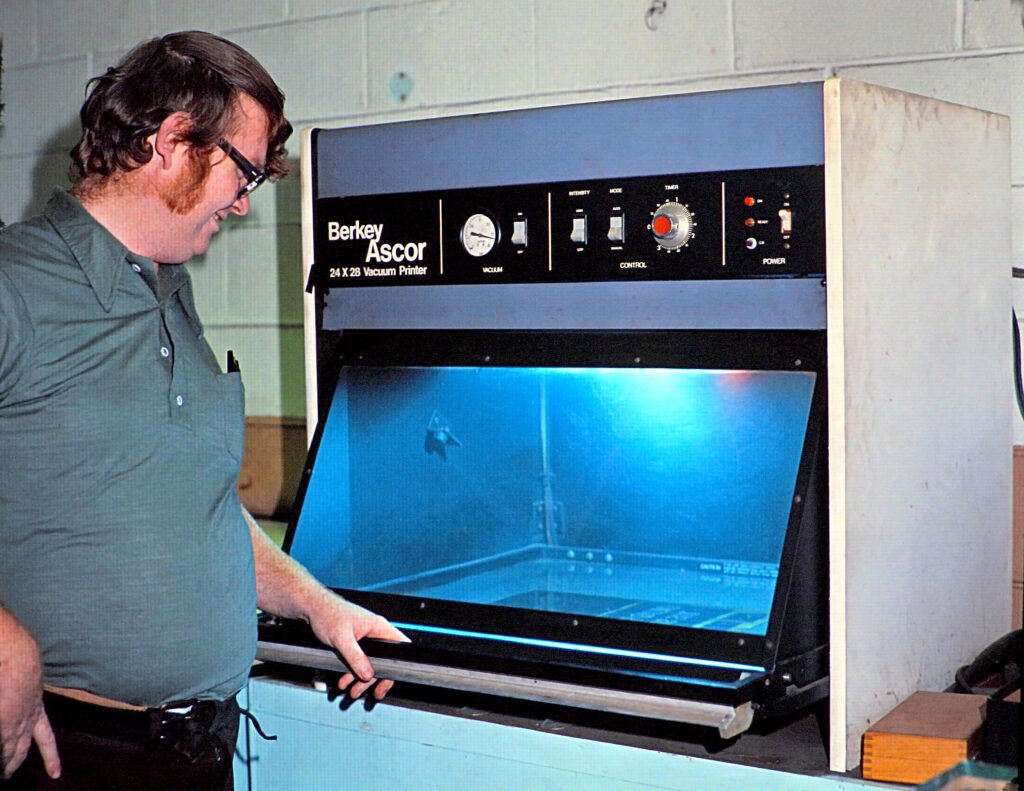

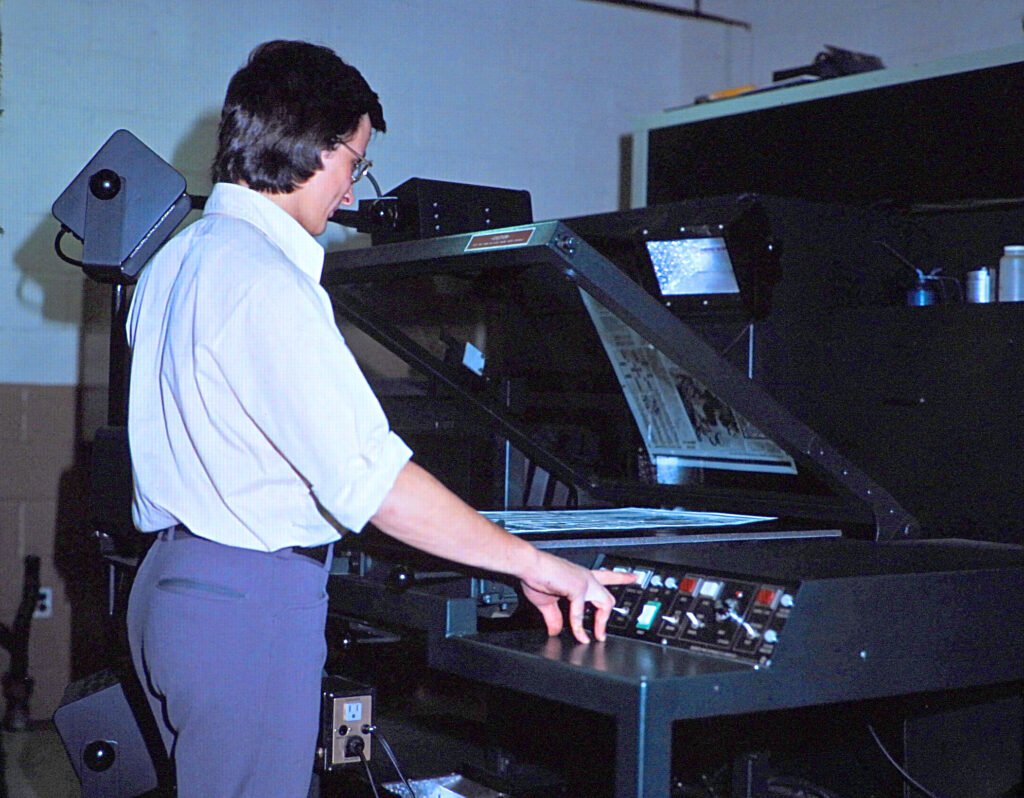
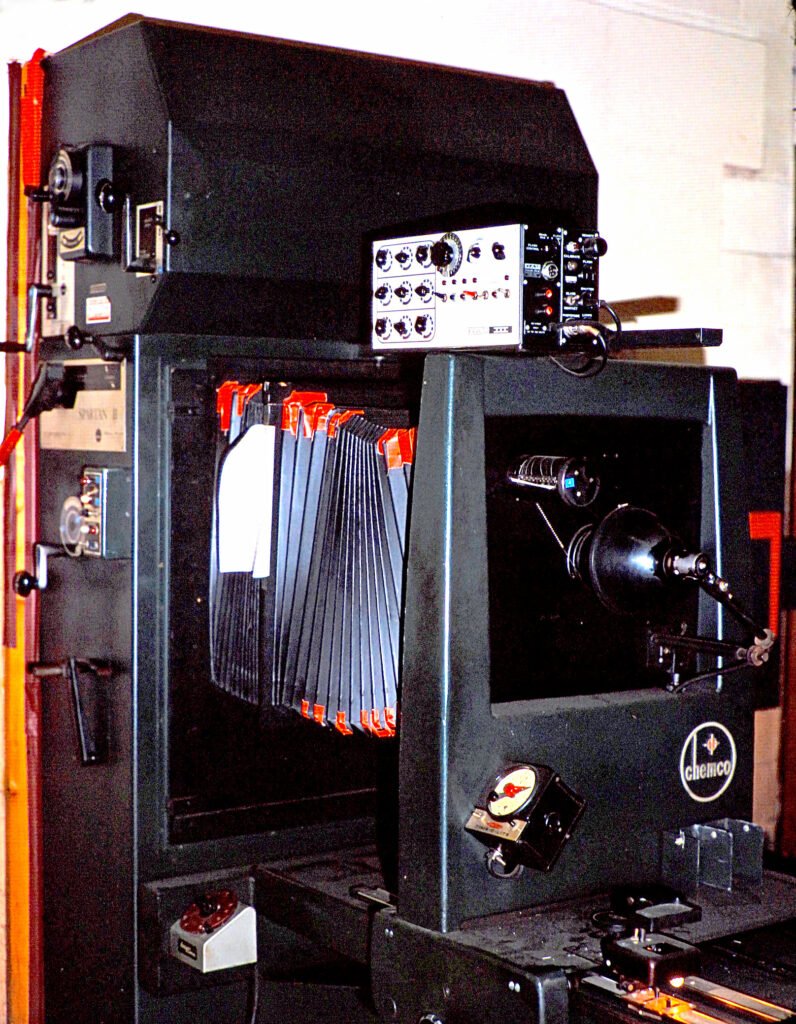
Sixty-three years later, in February of 2026, Bob walks the floors of this same building slowly. The press is gone; the open newsroom that once housed reporters and editors has long fallen silent. He walks through the building recounting tales of the open offices and how this building became integral to the culture and life of Saint John. He told of how the Telegraph Journal building became a landmark of distinctive storytelling – a place where the city learnt about itself.
Across Canada, similar rooms have grown quiet, and with the rise of digitization, the traditional newsroom has neared relic status. Statistics Canada reports an average decline of 9% in private local news broadcasting. As the computer became a workplace tool, it increased efficiency and replaced labour-intensive tasks. This led to job cuts, unused spaces, and abandoned commercial workspaces. What became the fate of the Telegraph Journal building is a typical example of what happens when industries evolve faster than cities.
Then it changed hands.
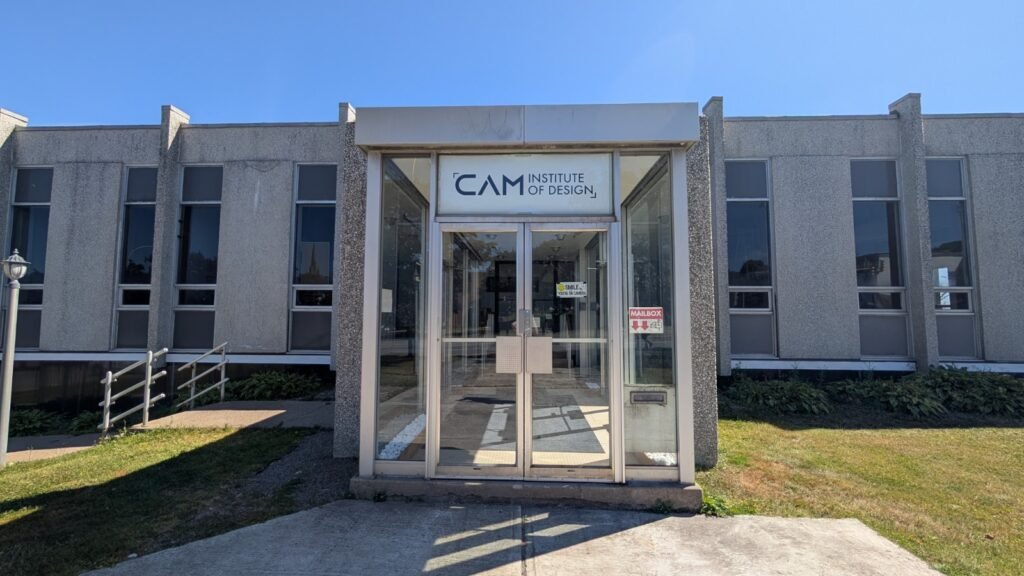
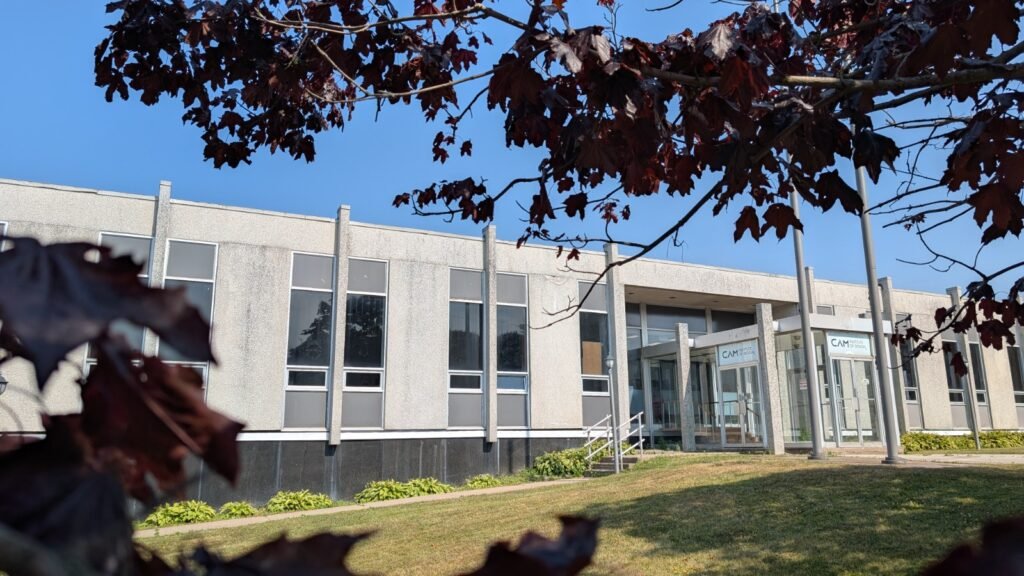

Today, the building is repurposed and owned by an institution saddled with the responsibility of breeding a new crop of storytellers – CAM Institute of Design. With this, the building bequeathed its legacy of telling stories- from storytellers who created narratives and shaped culture via the printing press – to tech-savvy digital content creators. Its legacy was thus carried forward in time and space decades later, along with its culture of knowledge, creativity, and inclusive learning. The design school, which took over the iconic Telegram Journal building at 210 Crown Street, offers unique, future-focused design skills to equip designers of the future. CAM Institute of Design is a design college offering courses such as Game Art & Design, Game Programming, Character and Creature Animation, Transportation Design and Product Design. This is particularly important, as data show an upward trend in the employment rate for designers, with over 30,000 employments in Canada’s video game industry in 2024.
The transformation mirrors broader shifts in Canada’s creative economy. According to the Entertainment Software Association of Canada, the country’s video game industry now employs tens of thousands of people nationwide. It generates billions in economic activity annually, with major hubs in Montreal, Vancouver and Toronto. Yet much of Atlantic Canada continues to grapple with youth out-migration, as young people leave smaller cities and rural communities in search of educational and professional opportunities.
The repurposing of the former Telegraph Journal building serves as an example not only of how to preserve history and culture but also of how to repurpose legacy to solve today’s challenges and enable a sustainable, equitable, and more inclusive future. This is because sustainable design is at the core of what we do at CAM Institute of Design. We have continued the Telegraph Journal legacy by creating a space where a team of culturally diverse design enthusiasts come together to develop games and design products and to build platforms that prioritize diversity and equity. Here we teach people to create stories, shape culture, and spot future trends. The institution is also strong on community partnerships and is pivotal to the growth of design education in Atlantic Canada. CAM Institute of Design recently hosted the Global Games Jam, a 3-day hackathon where game designers from all over the world collaborated to build a game based on a given theme. We also collaborated with the Saint John Newcomers Centre to speak with newcomers about how design thinking can help them navigate their journey in Canada. CAM Institute of Design also holds free design workshops at the building to educate high school students on the benefits of design education and inspire them to pursue career pathways in design.
Across Canada, cities are asking what to do with historic spaces as industries evolve. The city of Saint John’s answer offers a model of Reuse, Repurpose, or Redesign. Leinster Street Baptist Church, built in 1878, has been repurposed into a wedding banquet hall, and the Sydney Street Courthouse, constructed in 1829, was transformed into a state-of-the-art performance theatre in Saint John.
In this way and more, the former Telegraph Journal building has repurposed its legacy of creating storytellers and shaping culture decades after its launch.
As Metz walks the halls today, he traces his hand lightly along walls that once echoed with the noise of presses. The ink no longer stains the floors, but young people gather here again, learning how stories – whether printed on paper or coded into pixels – shape a city’s sense of itself.
The press fell silent. The storytelling did not.